What Size IPS Do I Need for Load-Shedding? A Simple Guide
By Eng. Md Shakhawat, Lead Electrical Engineer · 2026-10-20
Short answer: add up the watts of everything you want running during load-shedding, divide by 0.7 to get the VA, and choose the next IPS size up. Then size the battery for how many hours you need. Our IPS calculator does this for you.
Step 1: List what must run
Most families keep fans, a few lights, the Wi-Fi router and maybe the TV on backup.
| Appliance | Typical watts |
|---|---|
| Ceiling fan | 60–80 W |
| LED bulb | 9–15 W |
| LED tube light | 18–22 W |
| Wi-Fi router | 10–15 W |
| LED TV | 60–100 W |
| Laptop | 45–90 W |
Example: 3 fans (225 W) + 5 LED lights (60 W) + router (12 W) + TV (80 W) = 377 W.
Step 2: Convert to VA
IPS units are rated in VA. Divide watts by 0.7: 377 ÷ 0.7 ≈ 540 VA → choose a 650 VA IPS (or 1000 VA if you plan to add more later).
Step 3: Size the battery
Battery Ah ≈ (watts × hours) ÷ (battery volts × 0.75). For 377 W for 3 hours on a 12 V system: (377 × 3) ÷ 9 ≈ 125 Ah.
Common mistakes
- Putting the fridge or a motor on a small IPS. Motors need a much higher starting current.
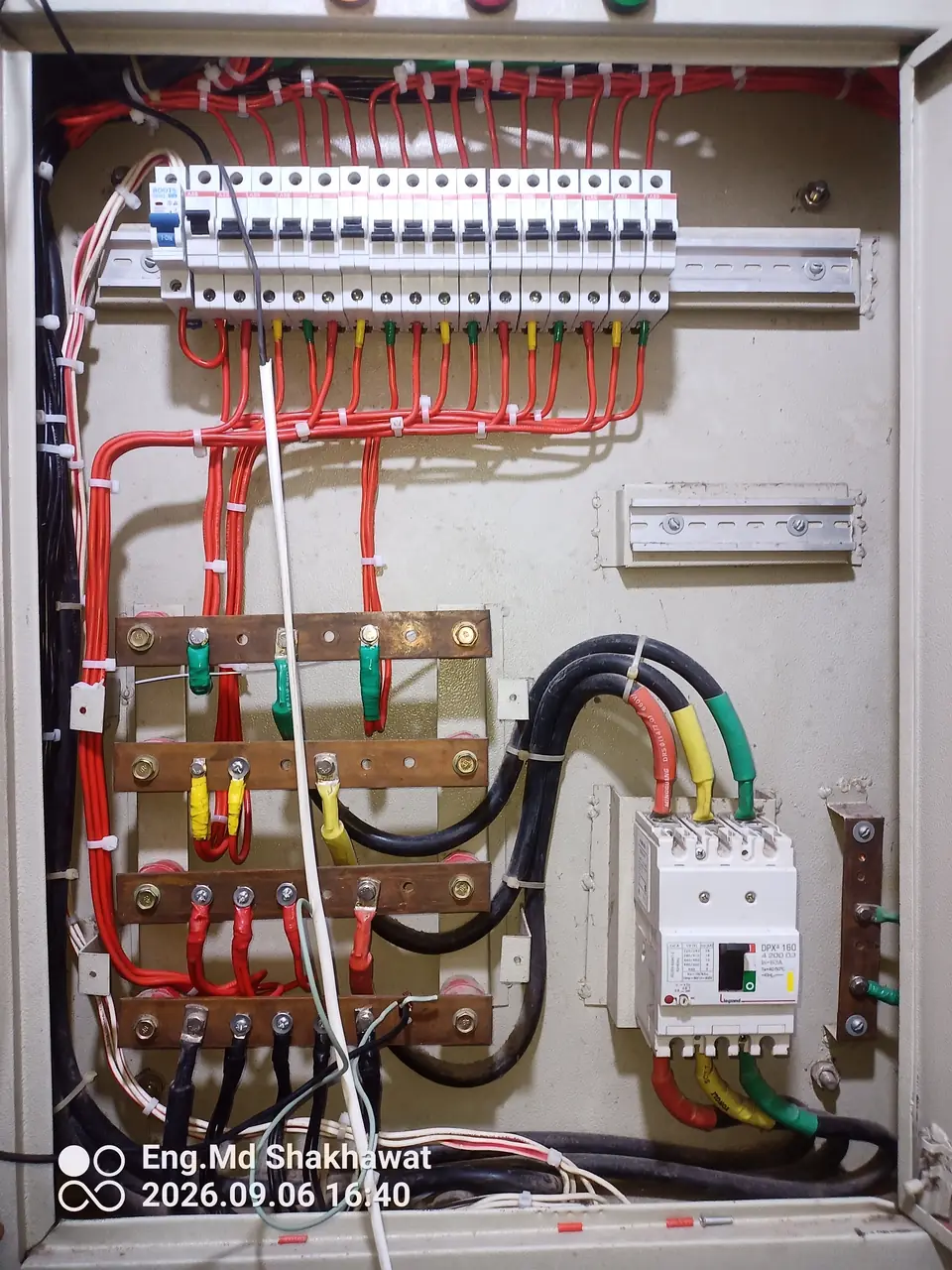
- No separate backup line. A proper installation runs a separate line so only chosen fans and lights run on IPS — the battery lasts longer and the IPS isn’t overloaded.
- Battery in a closed cupboard. Batteries need ventilation.
We install the IPS, run the backup line to the points you choose and test it under load. When you shift house, we can uninstall and re-install it.
Related services
- IPS Installation & UninstallationBook
- Switch, Socket & Power Point InstallationBook
- Electrical Wiring & RewiringBook
From our other division
Need help now?
Send your problem (a photo or video helps) on WhatsApp — we reply with details and a time before anything starts.